The publisher is making several good observations related to Winterizing Your Pipes as a whole in this content following next.
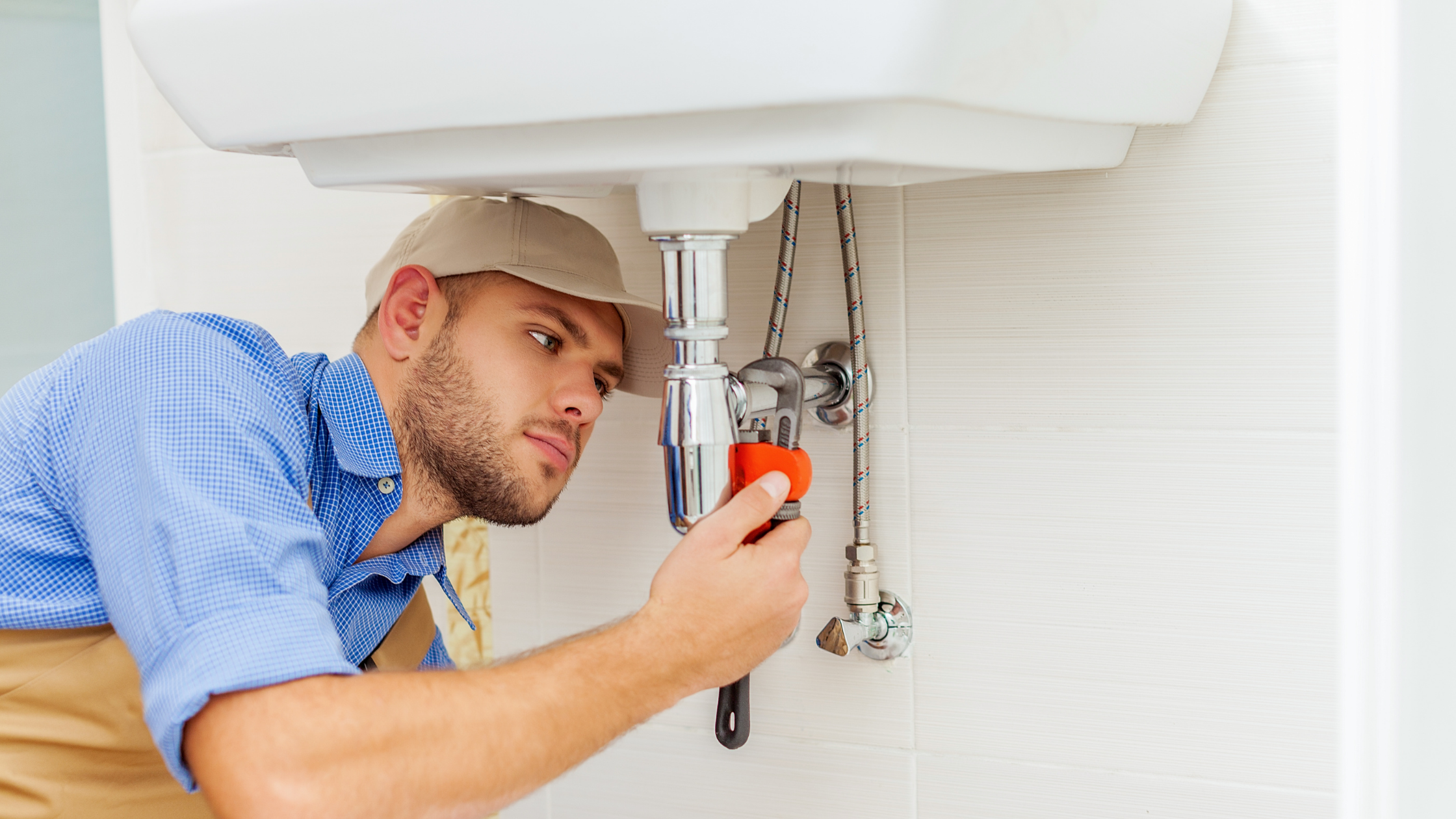
All house owners who live in pleasant environments need to do their best to winterize their pipes. Failing to do so can mean disaster like icy, split, or ruptured pipelines.
Attempt a Hair Clothes Dryer or Heat Weapon
When your pipes are practically freezing, your trusty hair clothes dryer or heat gun is a blessing. If the hot towels do not assist dislodge any kind of working out ice in your pipelines, bowling hot air straight right into them may help. You may finish up destructive your pipelines while attempting to melt the ice.
Open Up Cabinet Doors Hiding Plumbing
When it's chilly outside, it would certainly be useful to open cabinet doors that are concealing your pipelines. For instance, they could be somewhere in your kitchen or washroom. This will permit the cozy air from your heating system to circulate there. Consequently, you stop these subjected pipes from freezing. Doing this little trick can keep your pipes warm and limit the potentially harmful results of freezing temperatures.
Require Time to Cover Exposed Water Lines
One simple and also nifty hack to warm up icy pipelines is to cover them with warm towels. You can cover them initially with towels. After protecting them in position, you can pour boiling water on the towels. Do it slowly to allow the towels absorb the fluid. You can additionally make use of pre-soaked towels in hot water, just don't fail to remember to wear safety handwear covers to secure your hands from the warmth.
Switch on the Faucets
When the temperature decreases and also it appears as if the icy temperature level will certainly last, it will certainly aid to activate your water both inside and outdoors. This will keep the water streaming via your plumbing systems. On top of that, the movement will certainly reduce the freezing process. Notably, there's no need to transform it on full force. You'll end up squandering gallons of water in this manner. Rather, go for about 5 drops per min.
Shut down Water When Pipes are Frozen
If you discover that your pipes are totally icy or virtually nearing that stage, turn off the major water valve immediately. You will generally find this in your basement or utility room near the heater or the front wall closest to the street. Transform it off immediately to stop additional damage.
With more water, even more ice will certainly load up, which will at some point lead to rupture pipes. If you are unsure concerning the state of your pipes this winter season, it is best to call a professional plumber for an inspection.
All homeowners that live in temperate environments should do their finest to winterize their pipes. Failure to do so can mean catastrophe like icy, split, or burst pipes. If the warm towels do not help displace any resolving ice in your pipes, bowling hot air straight right into them might assist. Transform off the primary water shutoff immediately if you observe that your pipelines are totally icy or practically nearing that phase. With more water, even more ice will certainly stack up, which will at some point lead to burst pipelines.
PREVENT YOUR PIPES FROM FREEZING THIS WINTER
A Leading Cause of Property Damage
When the weather is taking a deep nose dive into the cold dreary days, the risk of your pipes freezing and potentially bursting skyrockets. Unfortunately, during these cold dreary months, burst pipes are the most common denominator for property damage. The pipes that are most at the risk are those that are in areas where it is most cold in your home. For instance, pipes located in interior places such as basements, attics, and your garage. Unfortunately, that doesn’t mean that the pipes running through your cabinets or exterior walls can’t freeze. Good news, however, is that you can do things to help prevent pipes from freezing.
How to Prevent Pipes From Freezing
Once the temperature starts to drop during the winter, you should be taking the proper measures needed to ensure that your pipes stay warm and that there is circulation of water through them. Some steps that experts may recommend could go against your better judgement when it comes to saving water and heat. However, it would go without saying that when expenses are compared, damaged pipes could put a bigger dent in your wallet than a water bill.
What Can I Do?
Keep your garage door closed. This is very important, especially if you have water supply lines running through your garage. Open your kitchen and bathroom cabinets to allow warm air to circulate through them. Allow air circulation throughout your home. Keeping the interior doors open will once again allow the warm air to circulate inside your home. Ensure your thermostat is running the same temperature throughout the night and day. If you plan to be away from home during the cold months, set your temperature no lower than 55° F. This should provide enough heat to keep the pipes warm and prevent any remaining water inside the pipes from freezing. For more of a long-term solution, add insulation to attics, basement, and other crawl spaces around your home. By allowing your faucet to drip, it will alleviate pressure in the system. This is important because the pressure that is created between the blockage and the faucet can potentially cause the pipes to burst. Allowing the faucet to drip will prevent the pressure from building up, therefore keeping the pipes from bursting. Seal any cracks, openings, and crawl spaces around your home to prevent cold air from coming inside. This keeps your pipes-not to mention your home-warmer and less susceptible to issues caused by freezing temperatures. For the pipes in your home that are easily accessible, applying electrical tape to them might prevent them from freezing over. This is a quick fix, as you can apply the tape directly to the pipe. There are two options for heating tapes. One turns on and off by itself when it senses heat is needed. The other type of heating tape needs to be applied when heat is needed and removed when not necessary. If you have exposed pipes in your home, you can check this website to take a look at a few options that would be available at a shop near you.

As a person who reads on How to stop pipes from freezing during the winter, I assumed sharing that piece of writing was a good thing. Are you aware of somebody else who is intrigued by the subject? Feel free to promote it. I praise you for your time. Kindly check our website back soon.
Schedule Now!